

Navigating the Digital Landscape
The rise of digital communication has transformed how people connect, share, and express opinions. However, the same technologies that foster community can also be misused and abused to intimidate, shame and embarrass, or harm . Cyberbullying and online harassment have become more commonplace with the increased usage of social media and the rise of various messaging applications and platforms and online forums.
In Singapore, the Protection from Harassment Act (POHA) provides remedies to individuals who require protection from harassment and cyberbullying. Whether you are a victim, a concerned parent, or someone accused of crossing the line in cyberspace, it is important to understand your rights and options. The consequences of online harassment are serious, and seeking legal advice on cyber harassment in Singapore can make a crucial difference in how these cases are resolved.

The Protection from Harassment Act (POHA)
The POHA was first enacted in 2014 and later amended in 2020 to reflect the evolving nature of digital threats to make doxxing (circulating personal information without consent) an offence.
Under the POHA, it is now an offence to publish ‘identity information’ (i.e. information which identifies or purports to identify an individual, including but not limited to one’s name, residential address, email, phone number, date of birth, NRIC, passport number, signature, photo, information about family, employment or education etc.) to cause alarm, distress or harassment.
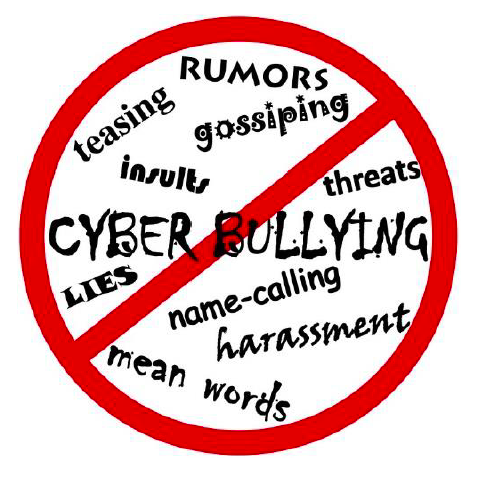
It is also an offence to use threatening, abusive or insulting behaviour (which includes words and communications) to cause victims harassment, alarm or distress. Although the POHA does not define terms such as “abusive”, “insulting”, “threatening”, “harassment”, “alarm”, and “distress”, these terms ought to be accorded their common-sense meaning, and the POHA also provides many illustrations as examples of constitutes an offence.
As an example, if X writes a public post on a social media platform containing threats against Y. X publishes a subsequent public post stating A’s home address and a message “I know where you live”. X is guilty of an offence if: (a) X intends the subsequent post to cause Y to believe that violence will be used against A, (b) if X knows that it is likely that Y will believe that violence will be used against A as a result of X’s subsequent post.
As a further example, if X writes a post (on a social media platform to which Y does not have access) containing threats of violence against Y and calling others to “hunt him down and teach him a lesson”. B posts Y’s home address in reply to X’s post. B is guilty of an offence.
The statute also covers false statements of fact made with malicious intent, which is especially relevant in cases of online defamation, and unlawful stalking.
Victims can seek Protection Orders (POs) and Expedited Protection Orders (EPOs) to stop ongoing harassment. These orders can require perpetrators to cease contact, remove offensive content, or refrain from making further statements. Failure to comply with these court-issued orders can result in contempt of court charges.
Online Sexual Harassment and Non-Consensual Distribution
Another serious and more insidious category of online abuse involves the sharing of explicit images or messages without consent. This includes so-called “revenge porn,” where intimate or sensitive images are posted online to embarrass or control an individual.
Due to the sensitive and traumatic nature of such incidents, victims are not encouraged to confront the perpetrator directly. In such cases, we would encourage victims to consider making a police report immediately, while concurrently seeking legal advice to explore options not only under the POHA, but which may also include initiating private prosecutions against the offender or perpetrator.
In such cases, digital forensic support is likely to be required to trace the origin of the images or communications.

Cyberstalking: When Obsession Turns Criminal
Persistent digital surveillance, unwanted messages, and obsessive communication constitutes a course of conduct which can cross the line beyond mere nuisance to an offence of unlawful stalking.
In considering whether a course of conduct is likely to cause harassment, alarm or distress for the purposes of unlawful stalking, the Court will have regard to various factors, including the number of occasions which the acts associated with stalking were carried out, the frequency and duration, the manner in which such acts were carried out, and the likely effects of the conduct on the victim’s freedom to do acts which he or she is legally entitled to do, as well as the victim’s safety, health, reputation and economic position.
Reporting to Authorities and Gathering Evidence
Victims of cyberbullying or online harassment should act quickly to document the acts or conduct that are affecting them, as that will form the basis of any legal complaint or action. Screenshots, URLs, emails, and chat logs serve as critical digital evidence when lodging police reports or applying for Protection Orders. Having such documentation organised and preserved will strengthen a case, as it will help to explain and present the facts and circumstances to the police and the Court in a clear and logical fashion.
It is also important to report incidents on the relevant platform—social media sites, messaging apps, or forums. Platforms may remove harmful content and preserve user logs, which could later support legal action. In severe cases, immediate police intervention may be warranted, especially when threats of harm are involved.
Legal Remedies for Victims
The POHA allows victims to apply for Protection Order through proceedings filed in the Protection from Harassment Court. A Protection Order will prohibit the perpetrator (named as the Respondent) from continuing with behaviour or conduct that constitutes harassment (whether physical or through online means), stalking etc.
There are options for Simplified Proceedings, which allows individuals to file claims themselves without hiring a lawyer. However, for more complex cases or those involving defamation, identity theft, or physical threats, hiring a lawyer is strongly advised.
We understand that being targeted by acts of harassment can be emotionally and mentally draining. It is well within your rights to engage a lawyer to represent you in POHA Simplified Proceedings, to guide you through the legal process and the conflict with the Respondent.
For urgent cases which have caused serious impact and consequences to a victim’s day to day activities, one can even file and obtain an Expedited Protection Order (EPO) from the Protection from Harassment Court on an urgent basis, within a few working days.
Penalties for Offenders
Depending on how the Court proceedings are brought (i.e. whether it is a Simplified Proceeding, a Magistrate’s Complaint or prosecution brought by the authorities), persons guilty of offences under the POHA may face fines ranging from thousands to tens of thousands of dollars, or imprisonment. Repeat offenders, or those found guilty of harassment involving vulnerable victims (such as children or persons with disabilities) or breaches of Protection Orders, may face harsher penalties.
In defamation cases or incidents involving corporate targets, offenders may also be liable for substantial monetary damages. Public figures and influencers, in particular, are advised to exercise caution when commenting online to avoid accusations of cyber abuse or incitement.
Our lawyers have the relevant experience and expertise in obtaining POs and EPOs on behalf of our clients, and are well positioned to advise on the range of remedies under the POHA, including advising on the quantum of damages that can be sought for emotional distress, reputational harm, or financial loss caused by the harassment. Please do not hesitate to contact us if you require assistance or representation.