

Divorce can be an emotionally and legally challenging process, and it becomes even more complicated when one spouse refuses to sign the divorce papers. Many people assume that both parties must agree for a divorce to proceed, but that is not always the case. While mutual consent can simplify the process, it does not mean that a divorce is impossible if the parties cannot agree. Understanding the available legal process and potential obstacles can help individuals overcome this difficult situation with clarity and confidence.
Does a Spouse’s Refusal Stop the Divorce?
A spouse’s refusal to sign the divorce papers does not prevent the other party from filing an application in the Family Justice Court to obtain an order for divorce.. Divorce laws vary by jurisdiction, but most legal systems recognize that one party should not be forced to remain married against their will.
Where there is an agreement between the parties, the divorce is relatively straightforward. This is also known as a simplified uncontested divorce. Where there is no agreement, the divorce will be termed as a contested divorce. Where in such a case, the parties will dispute over whether, for e.g the marriage has broken down irretrievably, and if so, and over the issues relating to the custody and care arrangement of the child, maintenance and division of assets, and the final outcome.
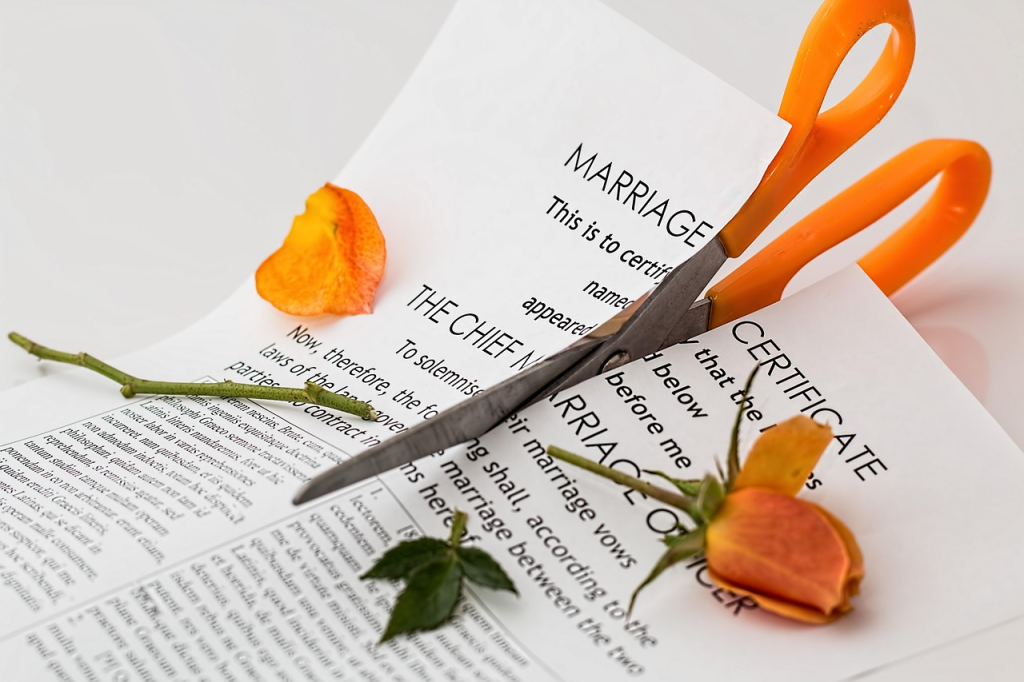
Understanding the Legal Ground for Divorce
If one’s spouse disagrees with the other to proceed with a divorce, the filing party must convince the Court that the marriage has irretrievably broken down is sufficient. The common facts to justify include adultery, unreasonable behavior, desertion, or separation.
Serving the Divorce Papers
In cases where a spouse disagrees with/refuses to provide his consent to the divorce, the party who wishes to end the marriage must file for a divorce in the Singapore Court and thereafter serve the divorce documents on the spouse. This is typically done through a legal process known as service of process, where the divorce papers are delivered to the spouse.
If the recipient (i.e. the spouse) refuses to accept them, the filing party can seek the Court’s permission to serve the document via other means (For eg, email / whatsapp).
What Happens If a Spouse Ignores the Divorce Papers?
Simply ignoring divorce papers does not stop the legal process. If the party who has been served with the papers fails to respond within the required timeframe, the court may grant an order in favour of the applicant without a need for a hearing.
However, the absent spouse may later attempt to set aside the order, especially if they claim they were not properly notified.
Contesting the Divorce: When a Spouse Actively Opposes It
A spouse who disagrees on getting a divorce or the [other] with the other party’s terms is likely to contest the proceedings. This can happen if they dispute the reasons for divorce, disagree with the proposed terms, or simply do not want the marriage to end. In contested divorces, both parties present their arguments in court, and a judge ultimately makes the final decisions.
Contested divorces typically involve more legal complexities, including hearings, and filing of affidavits (ie evidence). Legal representation is advisable in such cases to ensure that one’s rights are protected. While contested divorces take longer and incur higher legal costs, they ultimately lead to a final court order that dissolves the marriage, even if one party is reluctant.
When a Spouse Disappears or Cannot Be Located
If a spouse has disappeared or his/her location is unknown, it does not mean the Court will not be able to allow the divorce to be filed. Courts may allow for the documents to be served via substituted service, such as notifying the spouse through newspaper publication or sending notices to their last known address. Once that is done, the divorce proceedings will proceed accordingly.

Strategies for Dealing with a Non-Cooperative Spouse
It is important to understand the spouse’s reasons why he or she disagrees with getting a divorce. For example, the spouse may disagree on getting the divorce because he or she feels that the marriage is going fine. This is where obtaining assistance from an experienced family lawyer will be helpful.